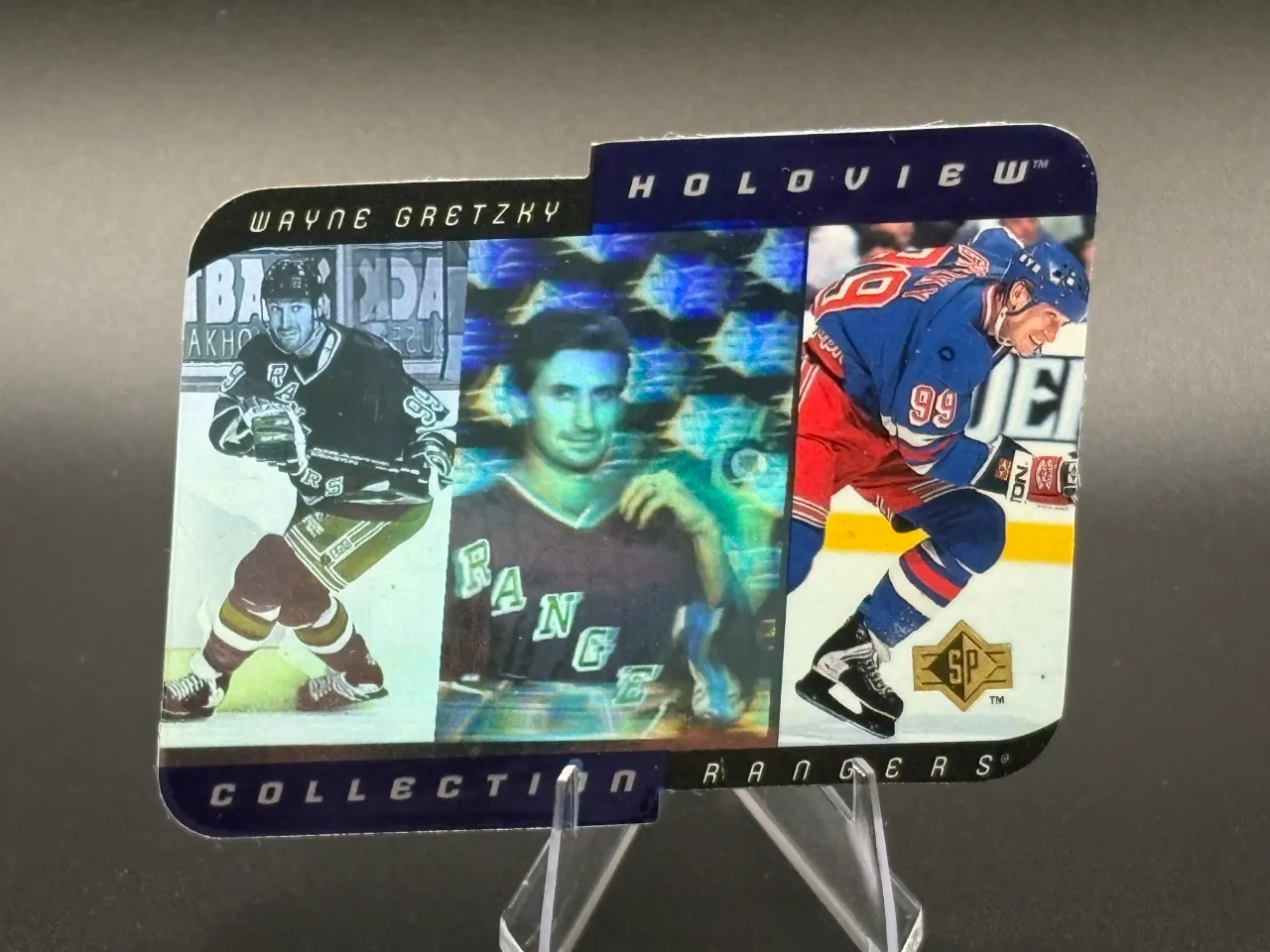
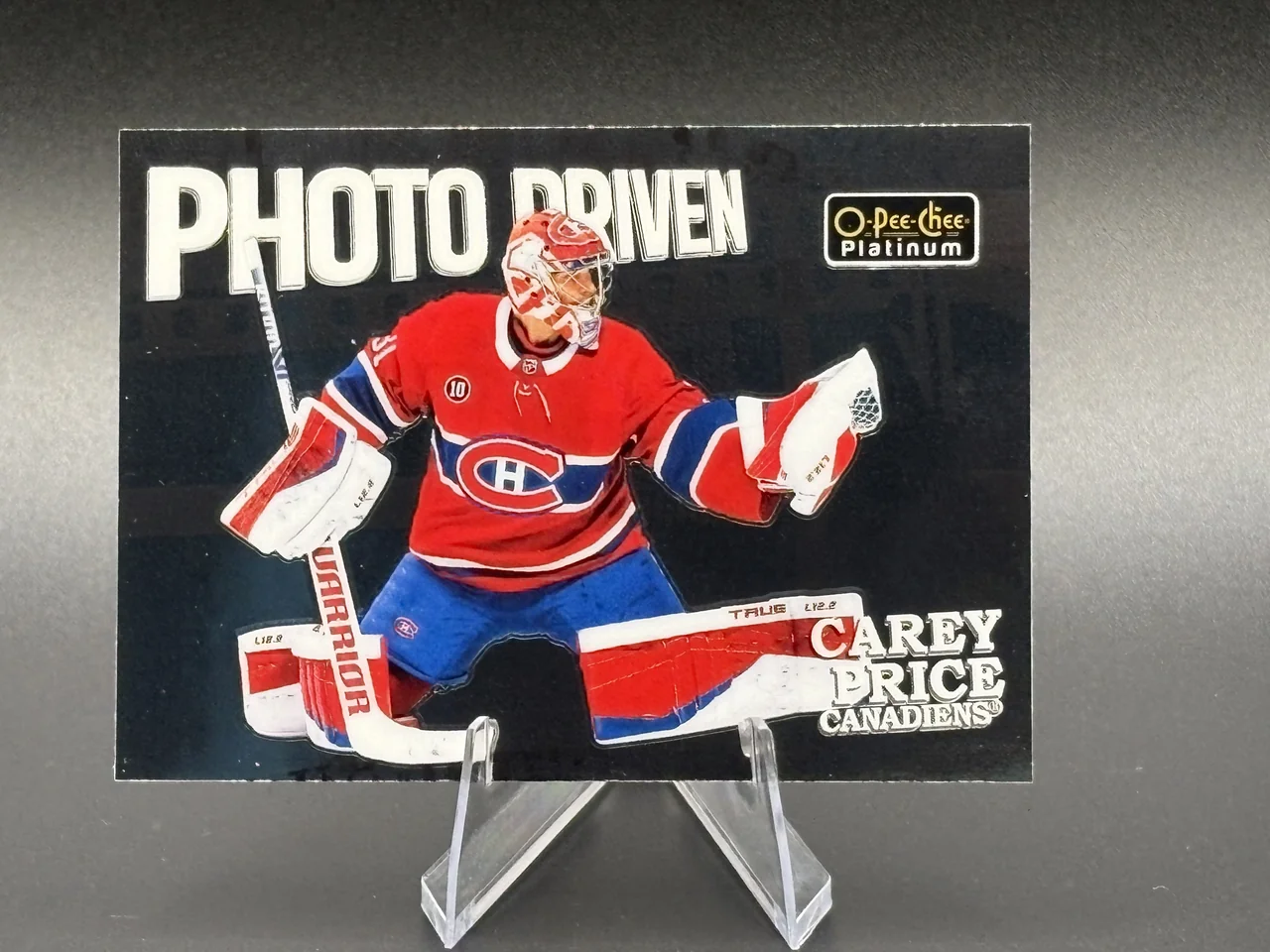
Which Card Grading Company Is Best for Sports Cards in 2026?
PSA vs BGS vs SGC vs CGC for sports cards in 2026: current prices, turnaround, resale value, and the ownership shake-up that changes which grader to pick.
If you’re grading your first valuable sports card, choosing the grading company can feel harder than deciding whether to grade at all. For most cards, PSA is still the grader to beat — its slabs sell for the most, full stop. But PSA, BGS, SGC, and CGC aren’t interchangeable, and in 2026 the choice also hangs on ownership: PSA and SGC share a parent, Collectors has announced an agreement to acquire Beckett, and CGC’s parent is majority-owned by Blackstone. Here’s how to pick, what each costs now, and why the ownership map matters before you hand over a card.

Which Grading Company Is Best for Sports Cards?
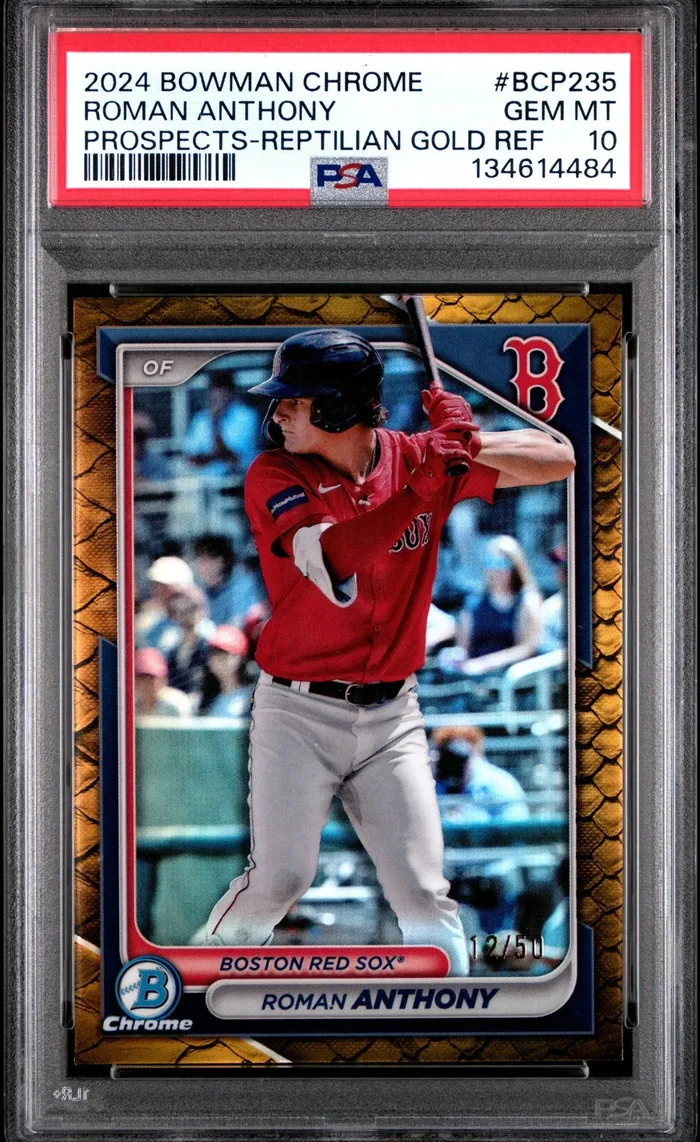
PSA, for most cards, because resale liquidity beats everything else. Spend five minutes looking through completed eBay sales for high-demand rookies and a pattern emerges pretty quickly: the PSA copy usually sells for more than the same card in a competing slab. We see the same thing in our own store sales. Two copies of the same rookie can move within days of each other, and the PSA slab almost always draws more interest first. PSA holds roughly 70% of the graded market as of July 2026, and buyers trust the label, which keeps demand and prices high.
Part of why this question is harder than it used to be: there isn’t one “best” grader for every situation anymore. A collector flipping a modern rookie is solving a different problem than someone preserving a 1950s Mantle. Quick verdict by card type:
- Modern stars and rookies you plan to sell → PSA
- Pre-war and vintage sports → SGC (or PSA)
- Modern chrome, basketball, hockey, or Black Label chases → BGS
- Budget bulk or lower-cost entry tiers → CGC
The rest of this guide is how to tell which bucket your card is in. (Grading Pokémon or another TCG instead? The same company logic mostly holds — see our Pokémon card grading guide for the TCG-specific version.)
How Much Does Each Grading Company Cost in 2026?
PSA’s backlog peaked near 14 million cards after a second wave of submissions, then began declining. Check PSA’s live Backlog Tracker for the current figure — it moves every couple of weeks, and any specific number printed here will be stale by the time you read it. Standard becomes PSA’s entry service on September 14, 2026, while Regular has been renamed Priority. Because lower-tier pricing has shifted repeatedly, check PSA’s current services page rather than trusting an entry price printed here.
| Company | Entry service (September 2026) | Subgrades | Annual membership | Best for (sports) |
|---|---|---|---|---|
| PSA | Standard (Value tiers paused; check live price) | No | $99/yr | Highest resale, most card types |
| BGS | Base $14.95 ($17.95 with subgrades) | Yes (Standard tier and up) | None | Modern chrome, basketball, hockey, Black Label |
| SGC | Standard (check live price; up to $1,500 declared value) | No | None | Vintage and pre-war sports |
| CGC | Bulk $17 / Economy $20 | +$10 optional | None | Budget bulk and lower-cost entry tiers |
One thing the sticker price hides: PSA is the only one of the four that charges an annual membership — $99, on top of the per-card fee. For anyone grading a handful of cards a year, the real PSA gap is even wider than the table shows.
Cost is only part of it. Turnaround matters too, especially if you’re grading cards you plan to sell during the season. SGC’s entry-level pricing has moved more than once this year — check SGC’s current pricing and turnaround before submitting rather than trusting a lower-tier number printed here. Its live page still lists the second Standard tier at $85 for cards up to $3,500 declared value as of September 2026.
(Higher-tier prices are dated September 2026; entry-tier prices can move quickly, so confirm current rates on each grader’s site before you submit. For the deeper question of whether any of this pencils out, see is it worth grading sports cards .)
Who Owns the Grading Companies Now? PSA, SGC, BGS, and CGC
One of the biggest changes in grading over the past couple of years has nothing to do with grading standards. It’s ownership. Collectors Holdings owns PSA and SGC and announced a definitive agreement in December 2025 to acquire Beckett/BGS. As of July 30, 2026, Collectors’ official announcement still describes that transaction as an agreement to acquire, so this article does not treat Beckett as part of Collectors until a closing is confirmed.
CGC isn’t part of Collectors, but it isn’t independently owned either. Its parent company, Certified Collectibles Group, has been majority-owned by the private equity firm Blackstone since 2021. In practice, the major graders operate with institutional ownership or an announced institutional transaction — CGC’s owner is simply different from PSA and SGC’s.
This isn’t hobby gossip — it changes the math behind your choice. A pending antitrust lawsuit, Rasmussen v. Collectors Holdings , filed April 14, 2026 in the U.S. District Court for the Central District of California (Case No. 8:26-cv-00897), names Collectors Holdings, PSA, SGC, and Beckett as defendants. The complaint alleges the acquisitions let Collectors raise prices and slow turnaround at SGC and Beckett, and it seeks both damages and a forced sale of SGC and Beckett. According to the complaint, PSA controlled roughly 72% of the market before the acquisitions, with SGC and BGS each holding single digits — and it alleges SGC’s fees rose about 20% shortly after the buyout. None of this is decided: Collectors has moved to dismiss the case and to send it to arbitration instead , with both motions scheduled to be heard September 11, 2026. Separately, Rep. Pat Ryan has asked the FTC to investigate the Beckett acquisition . Worth knowing about the dispute — not worth treating as settled fact.
When Should You Use SGC, BGS, or CGC Instead of PSA?
When the card’s market lives somewhere PSA doesn’t own outright.
For a 1956 Mantle, we’d consider SGC alongside PSA. Vintage is where SGC built its name — T206s, tobacco cards, pre-1970 issues — and in that market its grading is widely trusted, with the slim tuxedo slab many vintage collectors prefer. Check SGC’s current published turnaround before assuming it is the faster option. For pre-war and early baseball, compare recent sold listings in both slabs before deciding.
Modern chrome, basketball, hockey, and Black Label chases → BGS. BGS includes four subgrades — centering, corners, edges, surface — printed on the slab, which PSA doesn’t offer and CGC charges extra for. On modern Prizm, Select, and chrome where a buyer wants to see that the centering is a true 10, that transparency carries weight. And the BGS Black Label — a perfect 10 across all four subgrades, earned by under 1% of modern submissions — can sell well past a PSA 10. If you’ve got a flawless modern card, BGS is the only one with a ceiling above PSA.
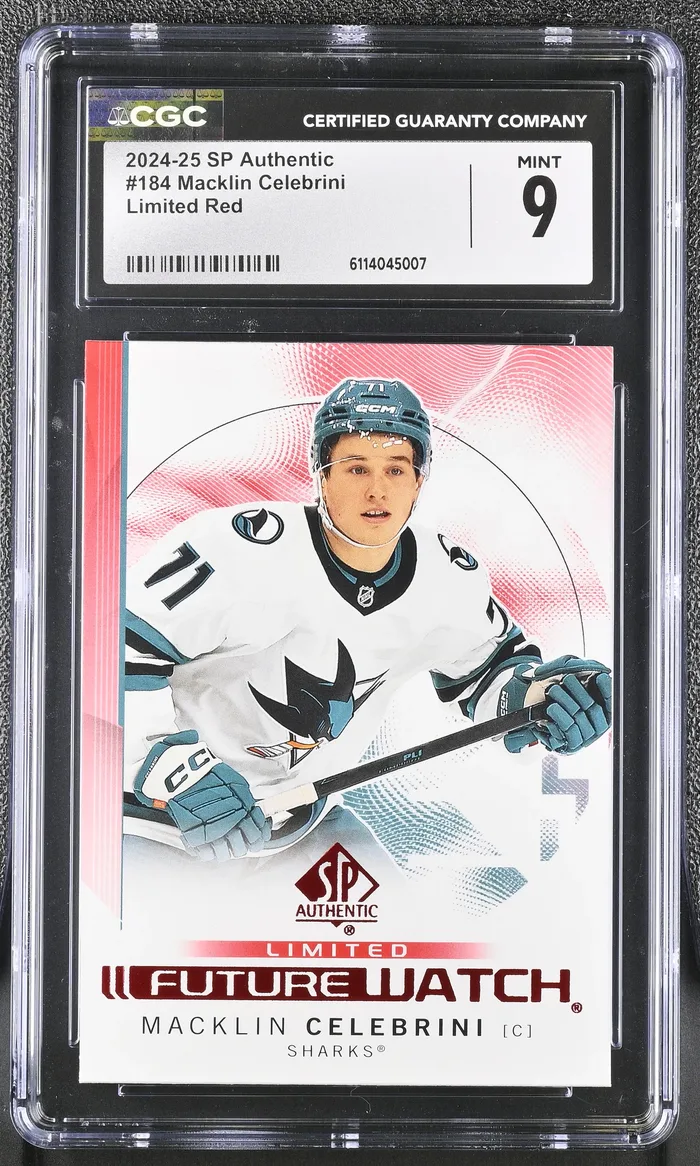
CGC is the budget play: Bulk is $17 per card with a 25-card minimum, and Economy is $20 per card. Direct submission is available with a free account, while paid memberships provide discounts. The catch shows up at sale time. Watch how quickly eBay buyers filter search results down to PSA slabs and you’ll see what a CGC seller is up against on mainstream sports cards. So CGC fits volume grading for cards you’re keeping, or cards where PSA’s higher resale premium cannot clear its added cost. (In Pokémon and other TCGs, the resale gap versus PSA is much narrower.)
How Do You Pick a Grader Without Overpaying?
Start with the card, not the company. The grader only matters if the card is going to grade high enough to be worth grading at all; a card that comes back a 9 when you needed a 10 is an expensive lesson at any current service level.
Before deciding between PSA, BGS, SGC, or CGC, figure out whether the card is even likely to earn the grade you need. CrackorKeep gives you a free 30-second estimate of centering, corners, edges, and surface, so you have a better idea before paying grading fees. It’s not an official grade, and it won’t promise you a 10. But once you know the card can clear the bar, the company question gets easy: PSA to sell, SGC for vintage, BGS for a subgrade-driven modern card, or CGC for lower-cost entry tiers.
The Bottom Line
Most collectors spend too much time comparing grading companies and not enough time asking whether their card will earn the grade they need. Once you know that answer, the company question mostly resolves itself — PSA to sell, SGC for vintage, BGS for subgrades, or CGC for lower-cost entry tiers. Get realistic about the card first, and the rest is a short conversation.
Frequently Asked Questions
What’s the best grading company for sports cards? PSA for most cards, because its slabs carry the highest resale value and liquidity. Use SGC for vintage and pre-war sports, BGS for modern chrome and subgrade-driven cards, and CGC for budget bulk or lower-cost entry tiers.
Is CGC a good grading company? Yes. CGC’s Bulk tier is $17 per card with a 25-card minimum, and Economy is $20 per card. Direct submission is available with a free account, while paid memberships provide discounts. CGC is not independently owned; its parent company has been majority-owned by Blackstone since 2021. On mainstream sports cards a CGC slab still tends to sell below the PSA equivalent, though CGC is notably stronger in the TCG market, including Pokémon.
Are PSA, SGC, and BGS owned by the same company? PSA and SGC are owned by Collectors Holdings. Collectors announced a definitive agreement to acquire Beckett in December 2025, but as of July 30, 2026 its official announcement still describes the deal as an agreement to acquire, so this article does not treat Beckett as part of Collectors until a closing is confirmed. CGC’s parent is majority-owned by Blackstone.
Which grading company is fastest in 2026? Check SGC’s current published turnaround before assuming it’s the fast option — its estimates have shifted significantly this year and may no longer be faster than PSA, CGC, or BGS.
Grade Your Card Before You Pay PSA
Upload your card photos and get an instant AI estimate across centering, corners, edges, and surface. No account. No credit card. Just an honest grade.
Check This Raw Card →