Is It Worth Grading Sports Cards in 2026?
PSA's Value tiers remain paused while Standard becomes its new entry service. Here's how to calculate whether your card still makes money after grading.
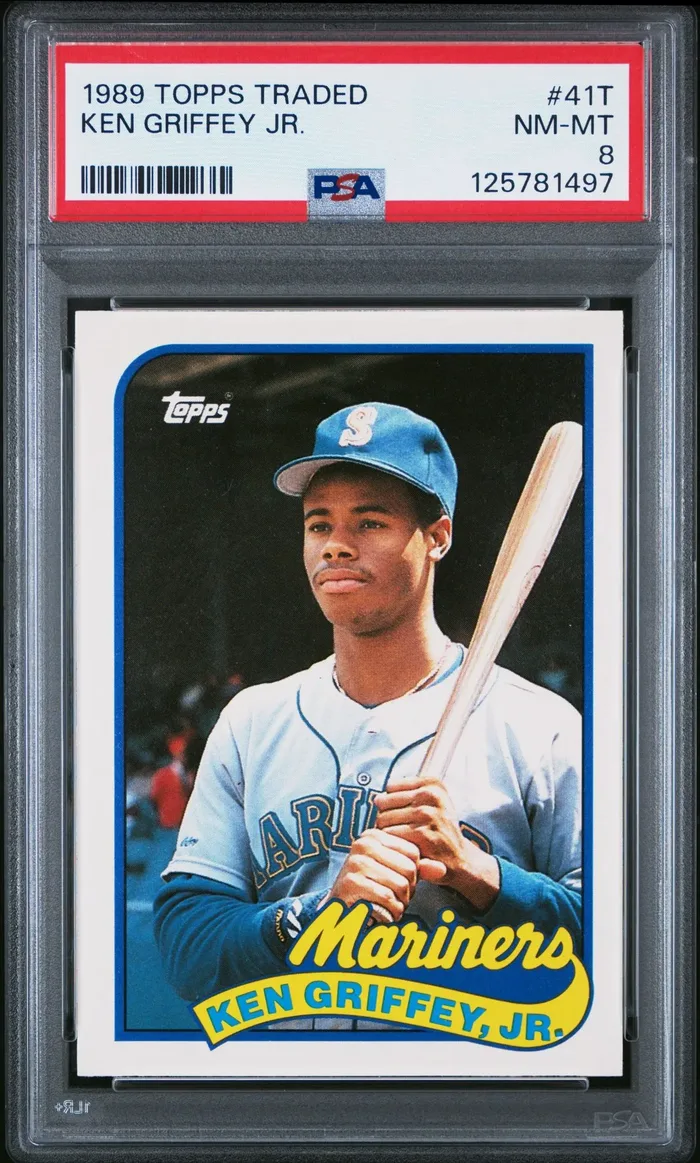
Most cards are not worth grading. Collectors usually learn that the hard way — a $200 PSA bill comes back as a stack of PSA 8s on common rookies, and suddenly the math is easy to see. In 2026 the lesson has become harder to price because PSA has paused and restructured its lower tiers more than once. Here’s how to run the numbers before you ship anything — and if you want a head start, CrackorKeep will estimate the grade for free.
What Does PSA Grading Cost in 2026?
Effective June 2, 2026, PSA temporarily closed its four Value-tier services — Value Bulk, Value, Value Plus, and Value Max. PSA’s backlog peaked near 14 million cards after a second wave of submissions, then began declining. Check PSA’s live Backlog Tracker for the current figure — it moves every couple of weeks, and any specific number printed here will be stale by the time you read it. Here’s what’s open right now:
| Service | Cost per Card | Turnaround | Status |
|---|---|---|---|
| Value Bulk, Value, Value Plus, Value Max | Check PSA’s live pricing | — | Paused |
| Standard | Check PSA’s live pricing | 90-100 business days | Opens Sept. 14 |
| Priority (formerly Regular) | $79.99 | 70-80 business days | Open |
| Express | $199.00 | 20-30 business days | Open |
| Premier (formerly Walk-Through) | $599.00 | 7-10 business days | Open |
| Premium | Starts at $999.00 | 5-7 business days | Open |
Standard becomes PSA’s entry service on September 14, 2026, but PSA has restructured its lower tiers repeatedly this year. Check PSA’s current services and pricing before submitting rather than relying on an entry price printed here. For planning, add your actual outbound shipping, return shipping, insurance, and any membership cost to the live service fee; PSA does not publish one universal all-in figure.
In its June 2026 update, PSA projected that reaching its 5 million-card backlog target would take 5-6 months. That was a dated projection tied to the target, not a continuously current reopening estimate. Check PSA’s Backlog Tracker for the latest before planning a submission.
CGC’s Bulk tier is $17 per card (25-card minimum, up to $500 declared value) and Economy is $20 per card (up to $1,000 declared value), effective March 24, 2026. Turnaround on both entry tiers has stretched well past where it used to sit — check CGC’s current services and fees page before you submit, since this is one of the fastest-moving numbers in the hobby right now.
CrackorKeep’s 3x Rule for Submission Planning
As a CrackorKeep planning rule, we want the likely graded value to be several times your own estimated all-in cost before a submission makes sense. That total means the live grading fee plus outbound shipping, return shipping, insurance, and any membership cost. PSA does not publish a universal all-in figure, so a fixed threshold printed here would drift as soon as the entry tier changes; calculate it from your actual order instead.
How to Know If Your Card Will Grade Well
This is where most collectors get into trouble — submitting on hope instead of evidence.
Start with centering, because it’s the flaw you can spot without any equipment once you know to look. PSA’s published bar for a 10 is approximately 55/45 on the front.
Grading companies don’t publish their full internal review process, so we can’t say this is officially how every grader works every time. But it’s a genuinely useful mental model for a home inspection: assume the card is a 10, then go looking for the flaw that would knock it down. As a rule of thumb, centering and surface tend to matter most for eye appeal, and corner damage compounds — in our experience, one flawed corner is often still consistent with a 9, but two tends to pull a card toward an 8. Treat this as CrackorKeep’s practical heuristic, not a published PSA formula.
Surface takes the most patience. Hold the card under a single light at an angle and tilt it slowly. Print defects, scratches, and handling marks show up in the glare when they’re invisible straight-on.
Or skip the manual inspection — upload your card to CrackorKeep and get an AI assessment across all four subcategories in under 30 seconds. Free, no account required.
Which Cards Are Actually Worth Submitting?
Strong submit candidates:
- Rookie cards of top-5 NHL/NBA/NFL draft picks with PSA 10 potential
- Vintage cards (pre-1980) where graded copies carry 3-5x raw premium
- Low-population parallels and short prints where PSA 10 is genuinely rare
- Autographs from certified sets on desirable players
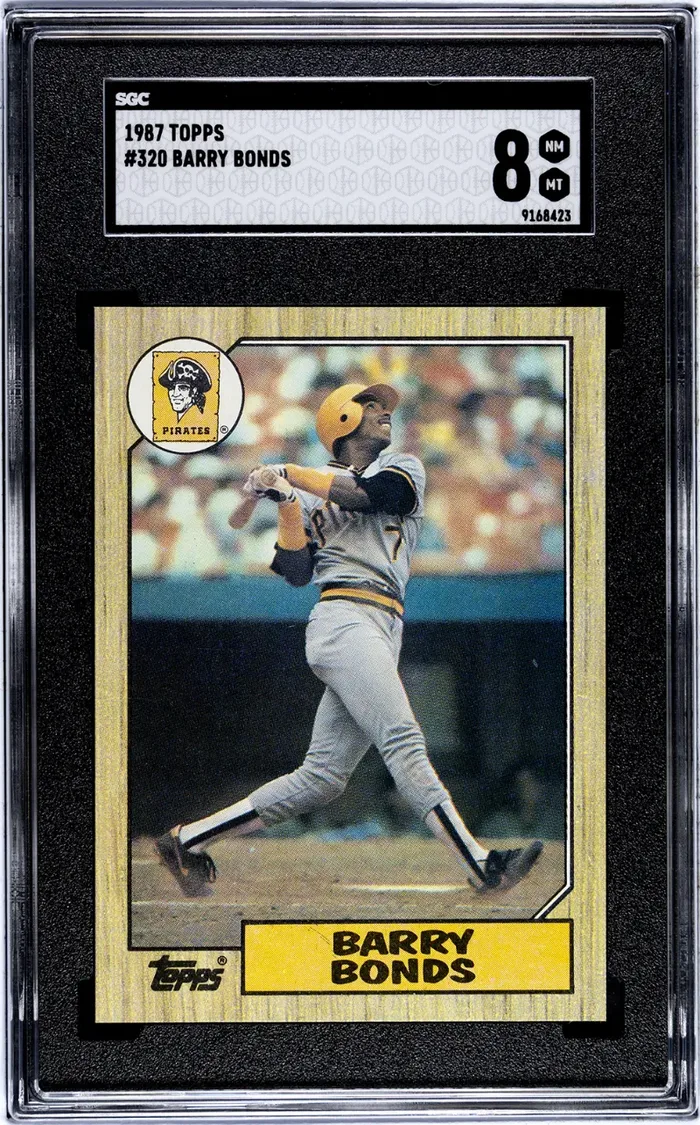
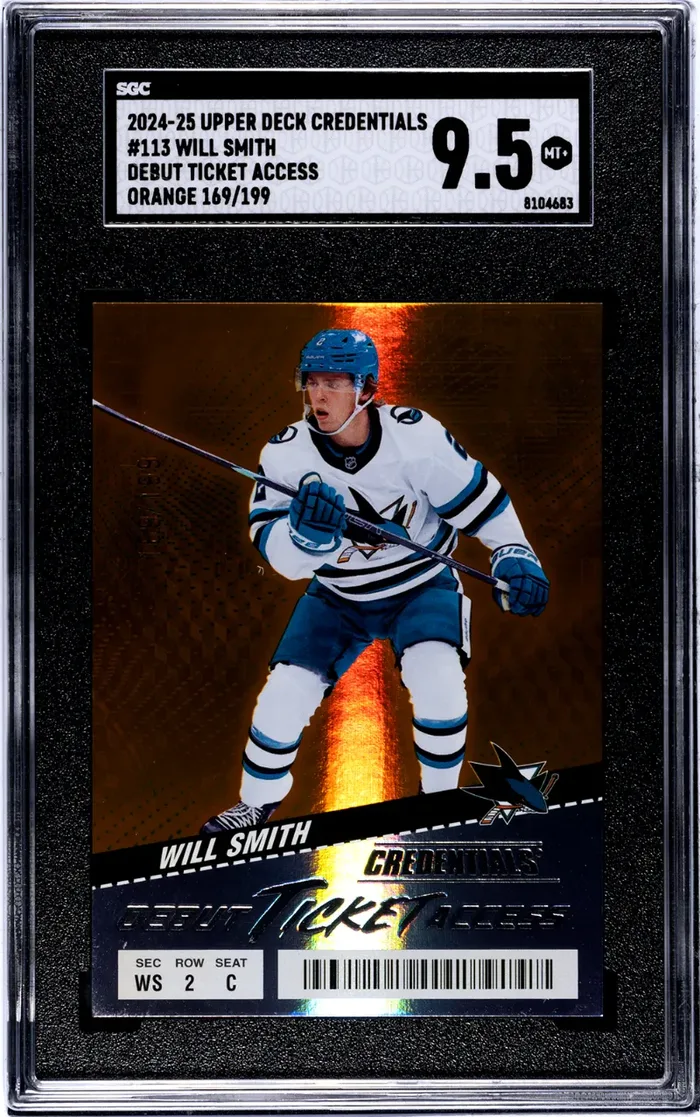
The skip pile is easier to describe. Common base cards from modern sets — PSA 9s often sell for $15-25, nowhere near the current fee. Cards with visible corner wear, which are telling you the grade before you submit. Anything where PSA 9 comps sit under $250 on recent eBay sold listings. And perfect-condition cards of players without real collector demand — condition can’t create a market that isn’t there.
What Grade Should You Realistically Expect?
Most cards that look pack-fresh still don’t come back a 10 — a soft corner, a hair of off-center border, or edge whitening is often enough to knock a card down a grade or two. Budget for a 9, and treat a 10 as upside.
Use CrackorKeep Before You Submit
By now the pattern should be clear: the expensive mistakes all happen before the card ships. That’s the gap CrackorKeep covers. Upload photos of your card — front, back, corner close-ups — and you’ll get an estimated grade on the 1-10 scale, scores for centering, corners, edges, and surface, a plain submit-skip-or-consider verdict, and an eBay link to check sold prices on your exact card. The 30-second check is the cheapest part of the whole process.
Frequently Asked Questions
Is it worth grading a PSA 8 card?
Rarely. On most modern cards a PSA 8 sells maybe $5-15 over raw — often nowhere near the grading fee plus shipping and insurance. Low-pop vintage is the exception, where even an 8 can carry real demand.
What PSA grade is needed to make grading profitable right now?
As a CrackorKeep rule of thumb, require likely graded value several times greater than your own estimated all-in cost. This is our planning threshold, not a PSA rule; calculate it from the live service fee plus shipping, insurance, any membership cost, your risk tolerance, and expected selling time.
Why did PSA pause its Value grading tiers in 2026?
PSA temporarily closed its four Value-tier services — Value Bulk, Value, Value Plus, and Value Max — effective June 2, 2026. Its backlog later peaked near 14 million cards and then began declining; check PSA’s live Backlog Tracker for the current figure. In its June 2026 update, PSA projected that reaching its 5 million-card target would take 5-6 months. That was a dated projection tied to the target, not a continuously current reopening estimate.
How long does PSA grading take in 2026?
Standard is listed at 90-100 business days beginning September 14, 2026; Priority is 70-80, and Express remains 20-30. These estimates move with submission volume, so check PSA’s site before shipping.
Can I grade cards at home?
You can pre-grade at home using the same four criteria PSA uses — centering, corners, edges, and surface — but only PSA, BGS, CGC, and SGC grades are recognized in the market. A home check tells you whether a submission is worth it; it doesn’t replace the slab. CrackorKeep gives you that pre-grade estimate from a few photos.
What’s the difference between PSA and CGC grading?
PSA is the most recognized grading company with the highest resale liquidity — PSA slabs typically command higher prices at auction and on eBay. CGC offers lower-cost entry tiers, but its turnaround estimates move quickly, so compare both companies’ current service pages and likely resale value before choosing.
Grade Your Card Before You Pay PSA
Upload your card photos and get an instant AI estimate across centering, corners, edges, and surface. No account. No credit card. Just an honest grade.
Check This Raw Card →