PSA 10 Requirements: What It Actually Takes (and Why Most Cards Miss)
The exact PSA 10 Gem Mint requirements for centering, corners, edges, and surface — and why most cards come back a 9.
Most cards that look like a PSA 10 are actually a 9. Usually it’s not obvious damage — it’s one small flaw that doesn’t stand out until you inspect the card deliberately. A PSA 10 needs four things to hold up at the same time — centering, corners, edges, surface — and real cards almost always have one weak spot. Here’s the published standard and how to tell which side of the line your card is on before you pay.
These standards apply to any card PSA grades — Pokémon and other TCGs included, not just sports cards. If you’re grading Pokémon specifically, see our complete Pokémon card grading guide .
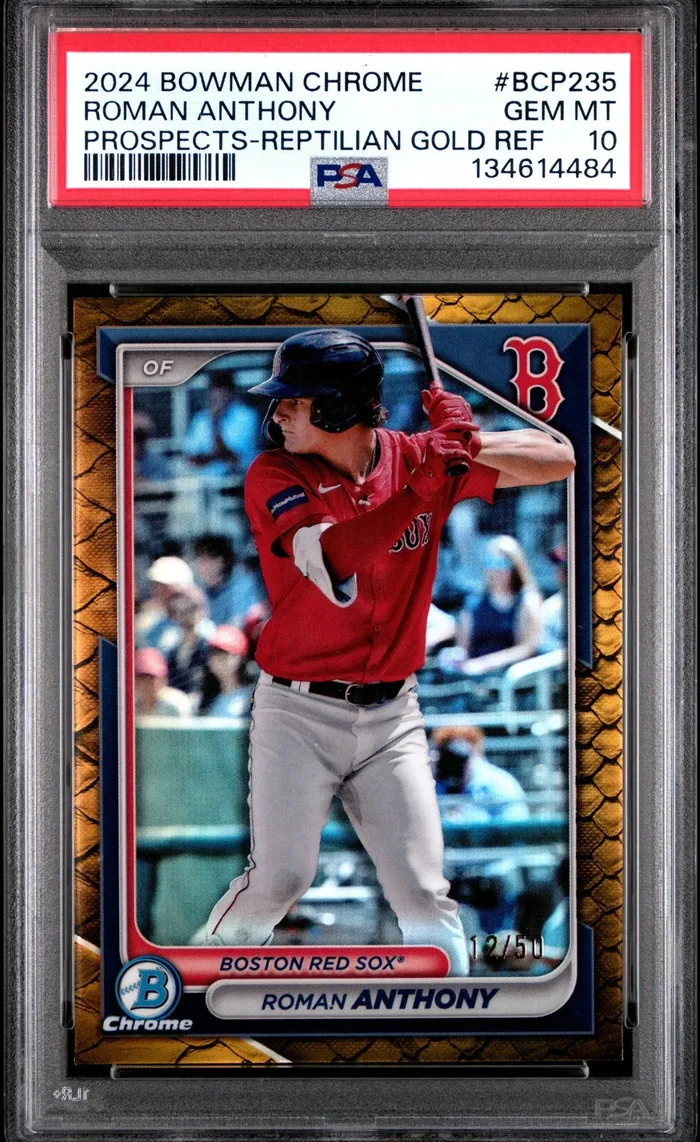
What Are the PSA 10 Requirements?
A PSA 10 has to be near-perfect in all four grading categories at once. PSA’s standard calls for four sharp corners, sharp focus, full original gloss, and no staining of any kind. It allows one slight printing imperfection, but only if it doesn’t hurt the card’s overall look.
PSA’s published centering tolerance is approximately 55/45 on the front and 75/25 on the back.
Corners — all four sharp under magnification. No rounding, fraying, or fuzzing.
Edge defects are easier to miss than most collectors realize. Chipping, whitening, and rough factory cuts all count against you, even when the card came out of the pack that way.
Surface covers the rest — full gloss, no print lines, scratches, dents, or stains.
PSA does not publish a formula that turns four categories into a final grade. For a home inspection, a useful CrackorKeep heuristic is to let the weakest finding shape your expectation rather than averaging a strong surface against a damaged corner. Treat that as practical guidance, not a published PSA rule or an automatic grade cap.
How Is Centering Measured for a PSA 10?
Centering is the ratio of the border widths on opposite sides of the card. For a 10, the front has to come in at 55/45 or better in both directions — left-to-right and top-to-bottom. A 55/45 ratio means the wider border is no more than 55% of the combined border on that axis. Slip to 56/44 and you’ve missed the 10 on centering alone.
This is the one that gets people. Even if everything else looks perfect, centering outside PSA’s published tolerance usually ends the conversation — and it’s the single most common reason cards miss a 10. If your card looks shifted to one side, the 10 is probably gone before a grader checks anything else.
One note for collectors working off old advice: some older guides cite a more forgiving 60/40 front tolerance for the 10. PSA’s current published standard is 55/45 on the front. If the number in your head is 60/40, check your card against 55/45 — that’s the standard your card will actually be judged under today.
Does the Back of the Card Matter for a PSA 10?
Most collectors spend nearly all their time checking the front, where PSA’s published centering tolerance is tighter: approximately 55/45 versus 75/25 on the back. The looser back tolerance does not make the reverse irrelevant. Check the back for centering, corner wear, edge whitening, and surface damage with the same care you give the front.
Why Do Most Cards Get a 9 Instead of a 10?
Usually it comes down to one category. The card looks flawless until you notice a slightly soft corner, or centering that’s just outside PSA’s tolerance — and that one thing sets the grade while everything else was perfect.
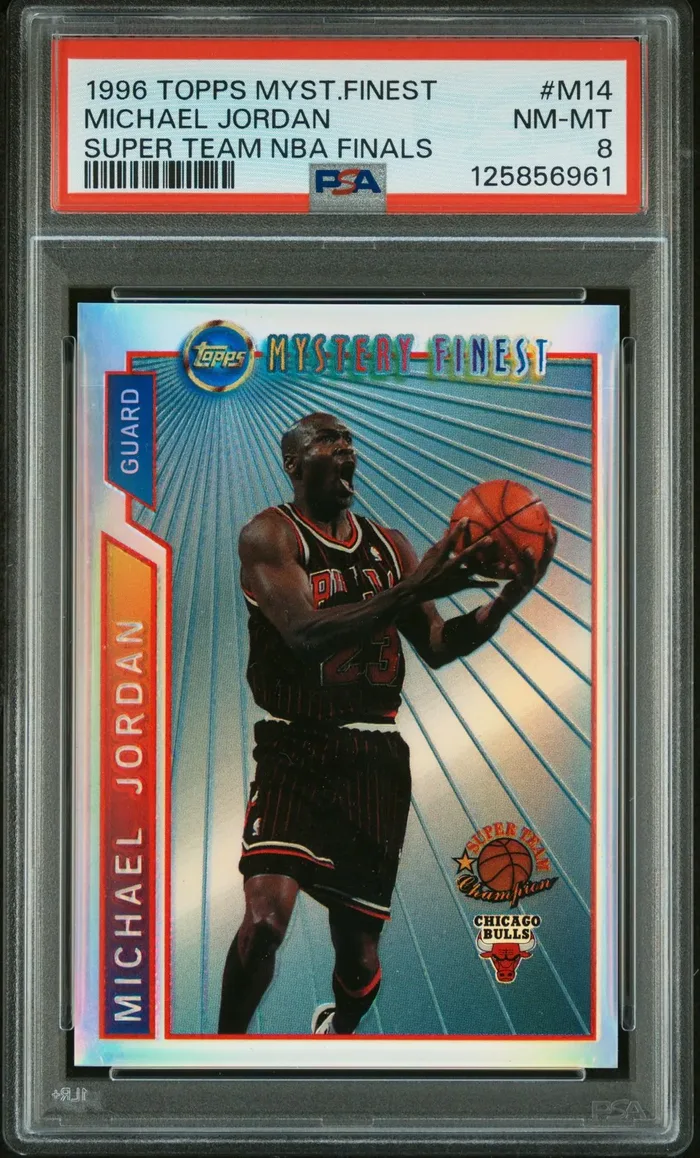
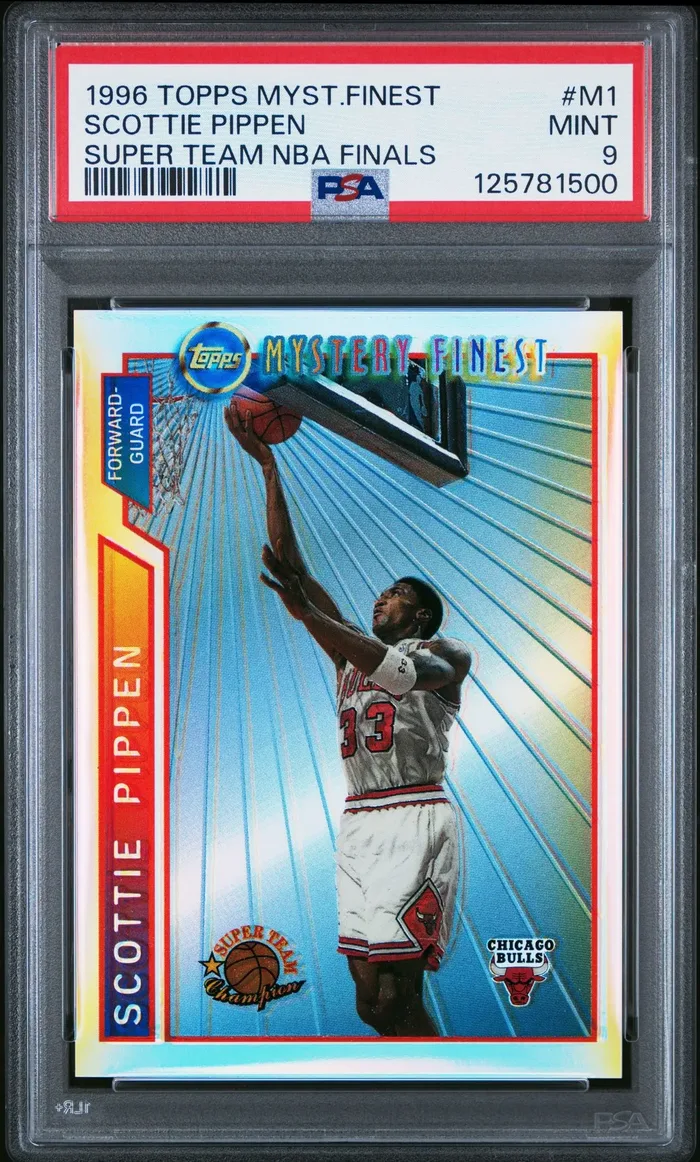
If I had to guess before putting a card under a loupe, I’d check centering first. That’s where a lot of PSA 10 hopes disappear, often at ratios like 56/44 or 58/42 that look fine to the naked eye. After that, the corners: handling alone softens them, and a corner that looks sharp in hand can show fuzzing at 10x. Edge whitening comes next — brutal on dark-bordered cards like Topps Chrome black parallels. Surface flaws are the sneakiest of the four, since print lines and light scratches often only show under angled light.
The gap between a 9 and a 10 is usually something you can’t see without magnification and good light. That’s the problem with submitting on hope — you’re betting on the parts you can’t see.
Is It Worth Submitting for a PSA 10 in 2026?
Not unless you’ve checked the card first. The cost of guessing wrong jumped this year. PSA’s backlog peaked near 14 million cards after a second wave of submissions, then began declining. Check PSA’s live Backlog Tracker for the current figure — it moves every couple of weeks, and any specific number printed here will be stale by the time you read it. Standard becomes PSA’s entry service on September 14, 2026, but lower-tier pricing has changed repeatedly; check PSA’s current services page and add your actual shipping and insurance rather than relying on a fixed all-in figure printed here.
A card that’s secretly a 9 used to be a $25 mistake. Now it’s a $100 one. At that point, the decision is mostly financial: only pay when the 10 is worth a real multiple of the 9 and you have reason to believe the card clears all four bars. The way to get that reason is to check it first. Upload your card to CrackorKeep and it’ll flag the most likely reason the card would miss a 10 — centering, a corner, whatever’s weakest — in about 30 seconds, for free. Then you’re submitting on evidence instead of hope.
The Bottom Line
A PSA 10 needs 55/45 front centering, sharp corners, clean edges, and a flawless surface — all at once. If you’re paying today’s grading prices, getting realistic about your card before you submit matters more than ever. Most disappointments don’t come from damaged cards — they come from tiny flaws collectors never noticed until PSA did.
Frequently Asked Questions
What centering does a PSA 10 require? 55/45 or better on the front and 75/25 or better on the back, in both directions.
Can a card with one bad corner still get a PSA 10? PSA does not publish an automatic one-corner grade cap. A soft or rounded corner can keep a card from a 10, but the final grade depends on the full card and the grader’s assessment.
Why did my card get a PSA 9 instead of a 10? Generally one category came up short while the rest were fine. Centering outside PSA’s approximately 55/45 front tolerance is one possible culprit because a card can look centered to the naked eye and still miss the published bar.
Is it worth grading for a PSA 10 in 2026? Only if you’ve pre-screened the card. PSA’s Value tiers remain paused and Standard becomes the entry service on September 14, 2026. Check PSA’s live service price and add your actual shipping and insurance; a card that comes back a 9 can be an expensive way to learn.
Grade Your Card Before You Pay PSA
Upload your card photos and get an instant AI estimate across centering, corners, edges, and surface. No account. No credit card. Just an honest grade.
Check This Raw Card →